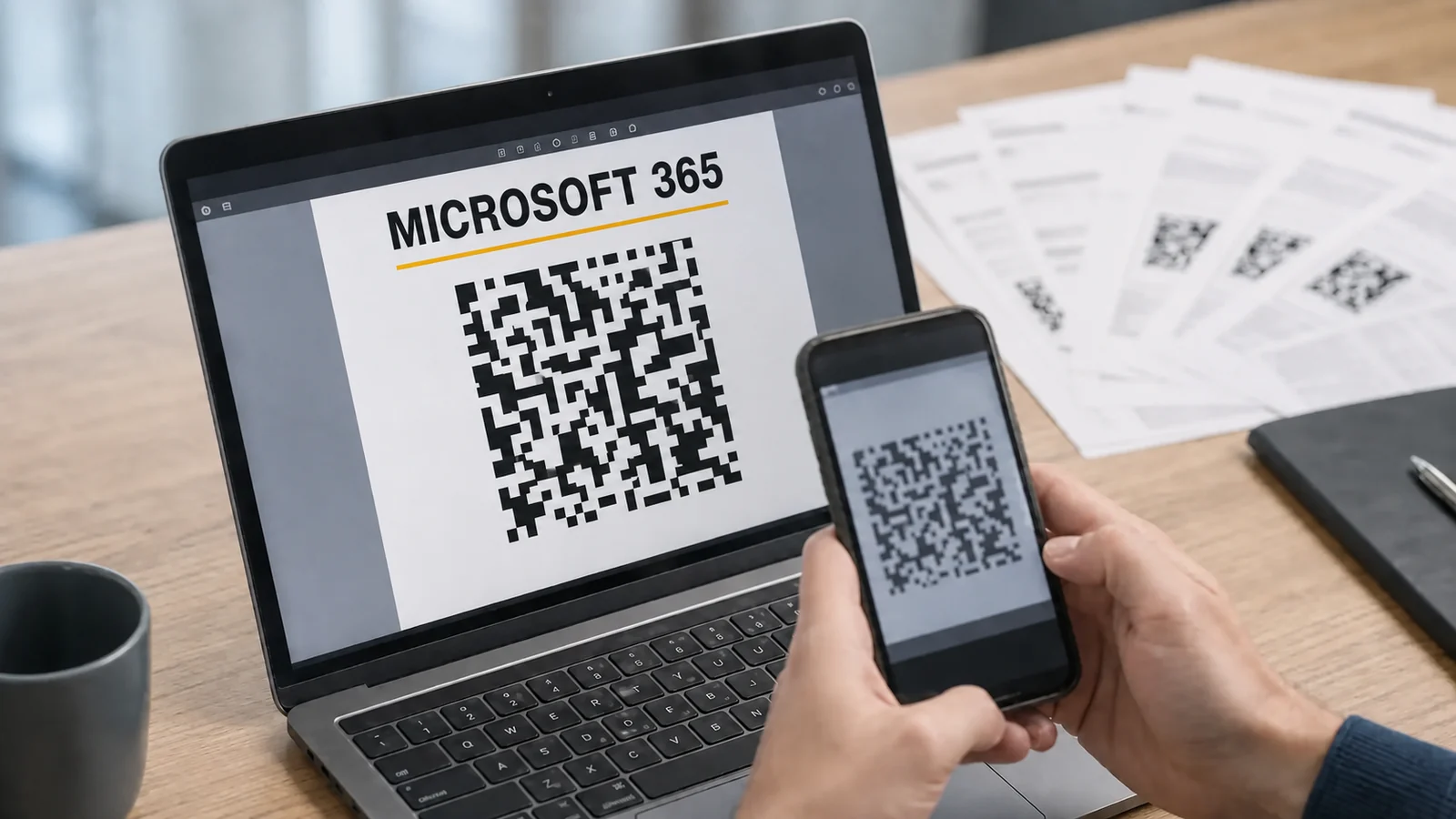
Compromised Microsoft 365 Mailboxes Spread QR-Code Phishing
Talos tied QR-code PDFs to credential theft, inbox-rule changes, SharePoint staging and new phishing sent from compromised Microsoft 365 mailboxes.
Read article →Reader view
Choose the default article length.
Page 15 of 16
Talos tied QR-code PDFs to credential theft, inbox-rule changes, SharePoint staging and new phishing sent from compromised Microsoft 365 mailboxes.
Read article →Kaspersky found BridgeHead using Windows SSO to cross corporate proxies before relaying server-selected TCP traffic through compromised hosts.
Read article →The flaw reaches an unsafe resource-loading path without AutoType enabled. Exposure is limited to a specific Fastjson 1.x and Spring Boot deployment combination.
Read article →Five recovered task logs record service discovery, privilege checks and file enumeration after an operator enabled Hermes's unattended mode.
Read article →Hugging Face traced 17,600 actions from an Artifactory escape through two malicious-dataset vectors and into its clusters, network and source control.
Read article →Zenity found URL parameters that preselected a template and auto-submitted instructions inside a logged-in user's Workspace Agents builder.
Read article →Any authenticated proxy-key holder could make two MCP preview endpoints run an arbitrary command on the LiteLLM host.
Read article →The botnet spread through developer extensions and packages, then used stolen credentials to force-push malicious code into default branches.
Read article →CVE-2026-6875 chained query evaluation with a sandbox escape, giving an unauthenticated attacker broad control of a ServiceNow instance and its connected proxy servers.
Read article →Push Security traced paid search ads to shared ChatGPT and Claude pages that handed visitors to fake desktop-app downloads.
Read article →A civil lawsuit targets a Telegram-based phishing-kit operation that Google links to 2.5 million texts and more than one million fraudulent URLs.
Read article →CVE-2025-55241 allowed an Entra actor token from one tenant to impersonate users in another through the legacy Azure AD Graph API.
Read article →Researchers put instructions to read .env and encode it into source inside a PNG that text-only pull-request reviewers ignored but vision-capable coding agents later followed.
Read article →A Teams lure installed a headless Edge extension and a Python native-messaging host, giving a ransomware access broker a quiet route to local command execution.
Read article →A stolen npm publisher account added a malicious dependency to more than 140 Mastra packages, giving Sapphire Sleet an install-time path into developer and CI systems.
Read article →AIR says its brand-landingpage experiment reached 26,000 agents after scanners missed a remote instruction source that changed after approval.
Read article →Showing 222–237 of 246