 Watch Replay3:20
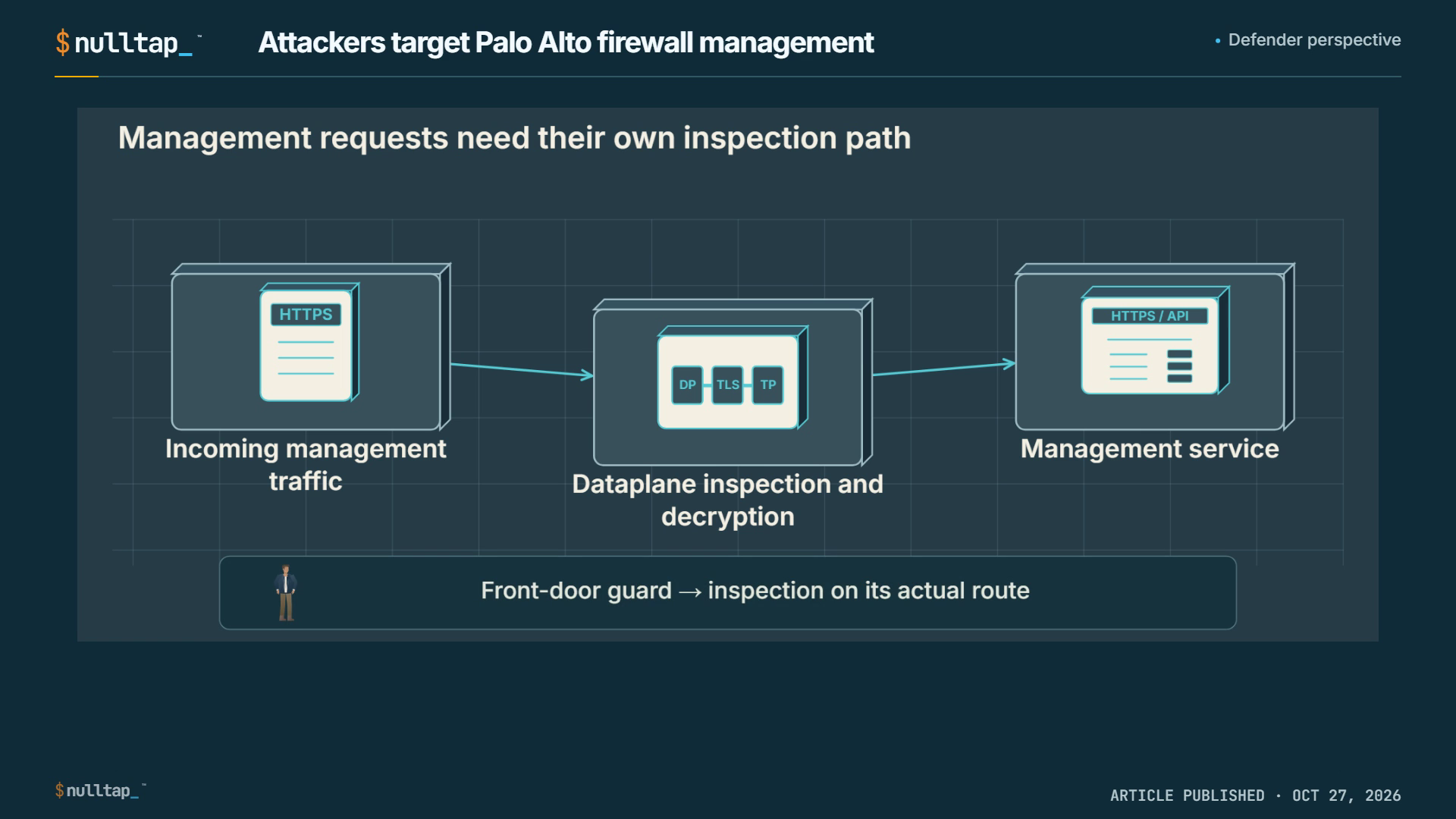
Attackers target Palo Alto firewall management
Find every reachable firewall management service, check its actual inspection path and verify a fixed maintenance build.
Because reading an article isn't for everyone.
Watch Replay3:20Find every reachable firewall management service, check its actual inspection path and verify a fixed maintenance build.
 Watch Replay2:40
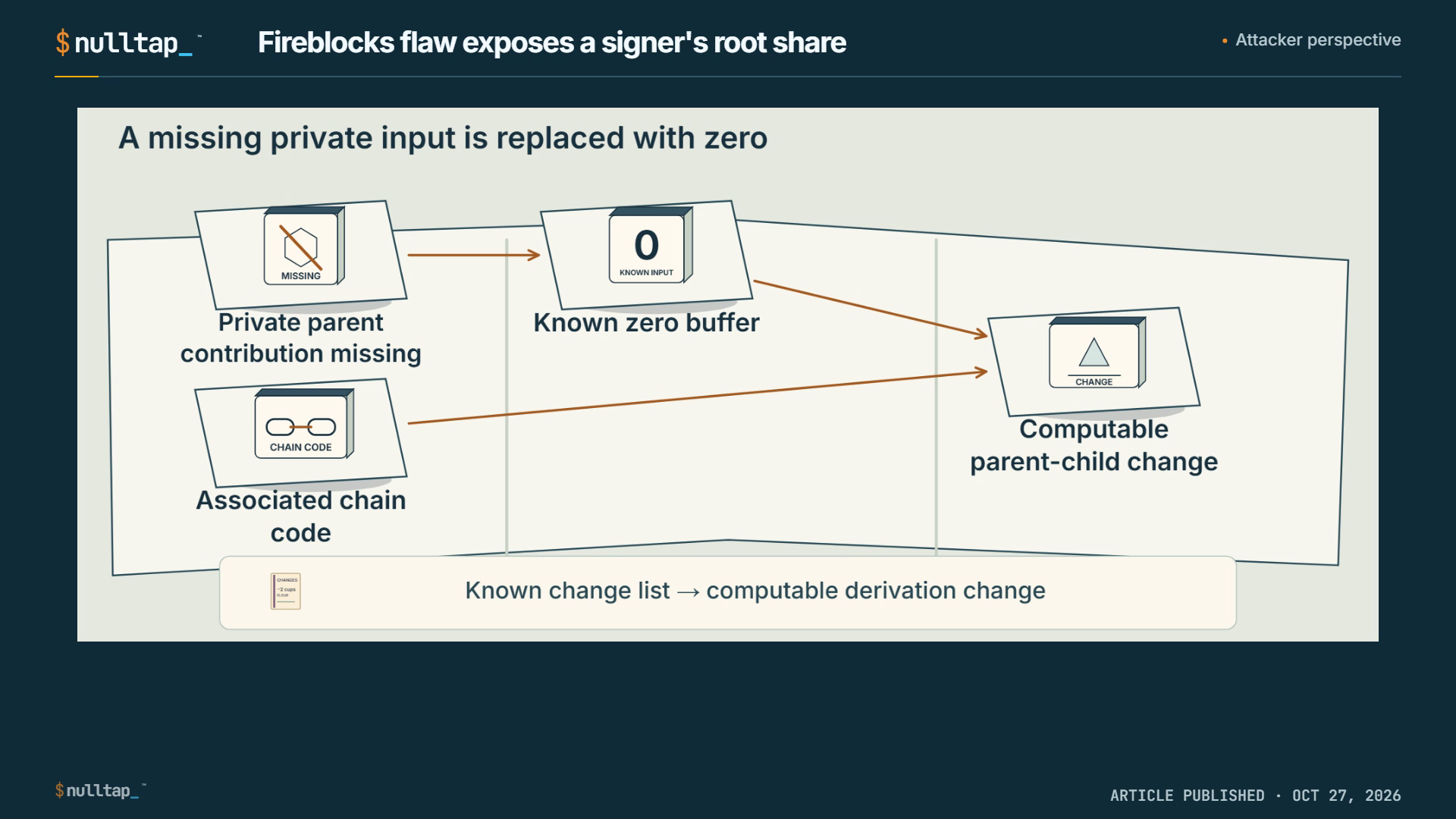
Explain backward recovery within one signer share hierarchy while preserving the other-party requirement for a spendable key.
 Watch Replay3:16
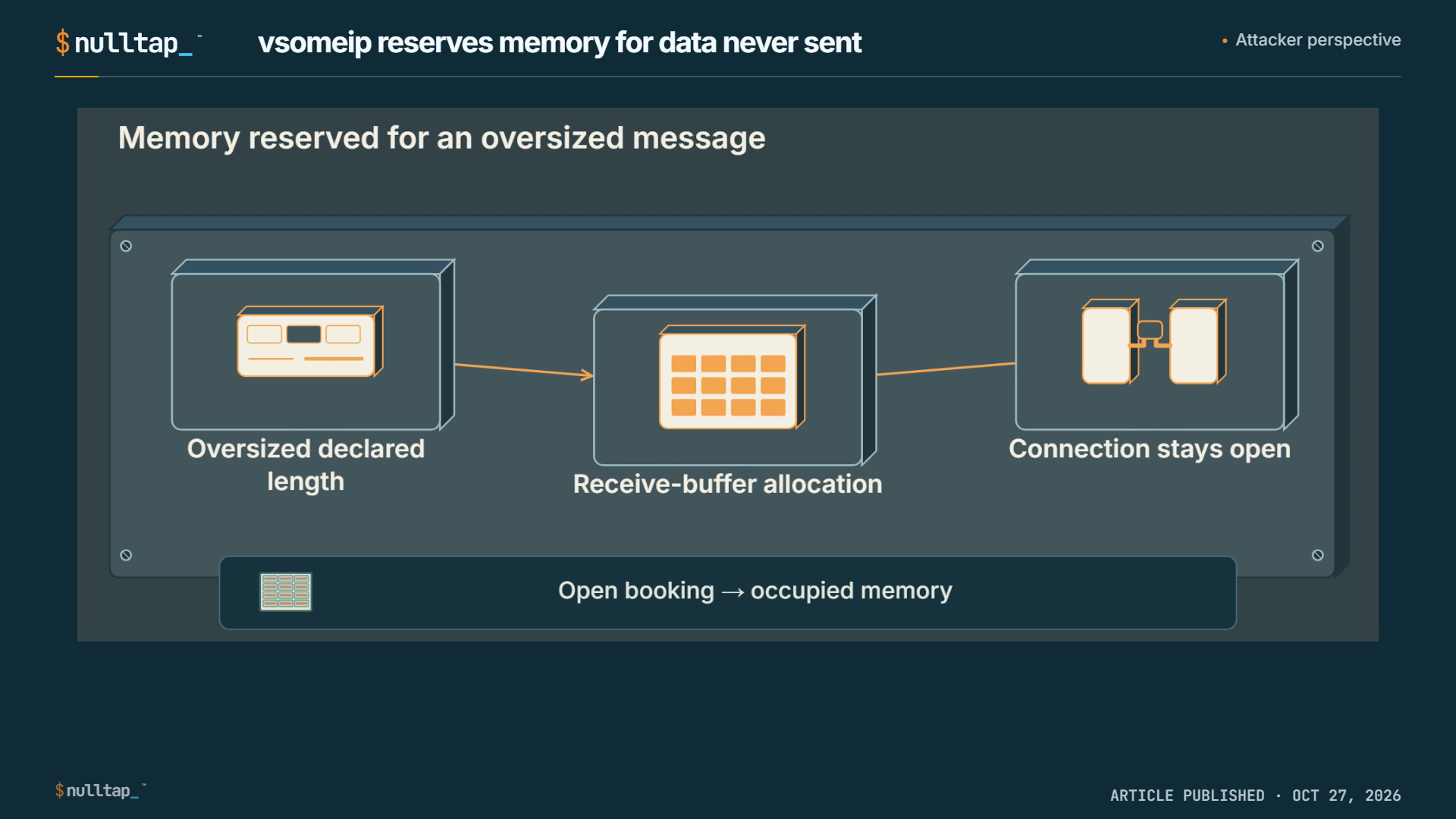
Follow a declared message length into a memory reservation, then verify a fixed release or loaded size limit.
 Watch Replay3:38
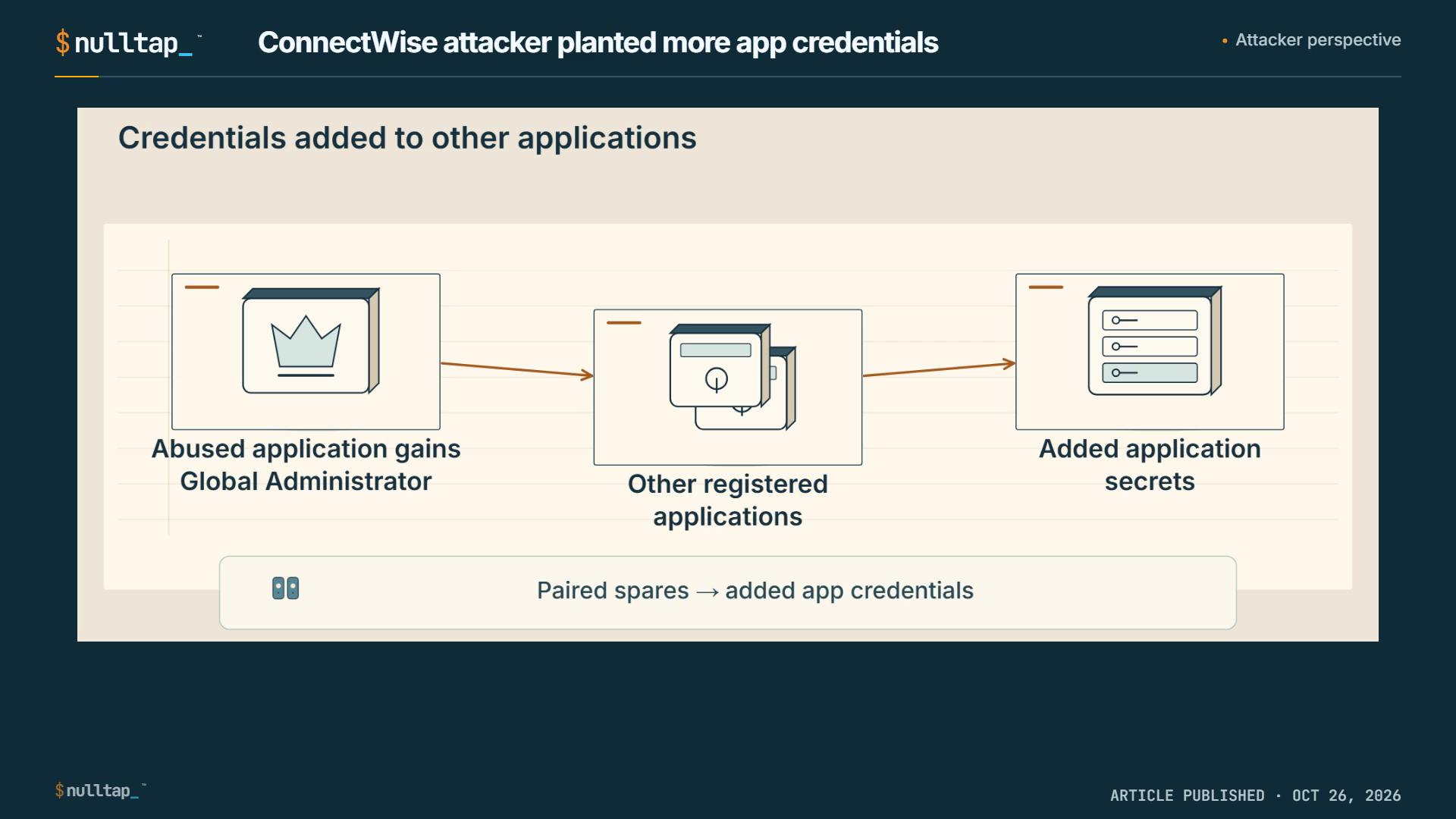
Trace added application credentials and changed privileges, then check what access remains after containment.
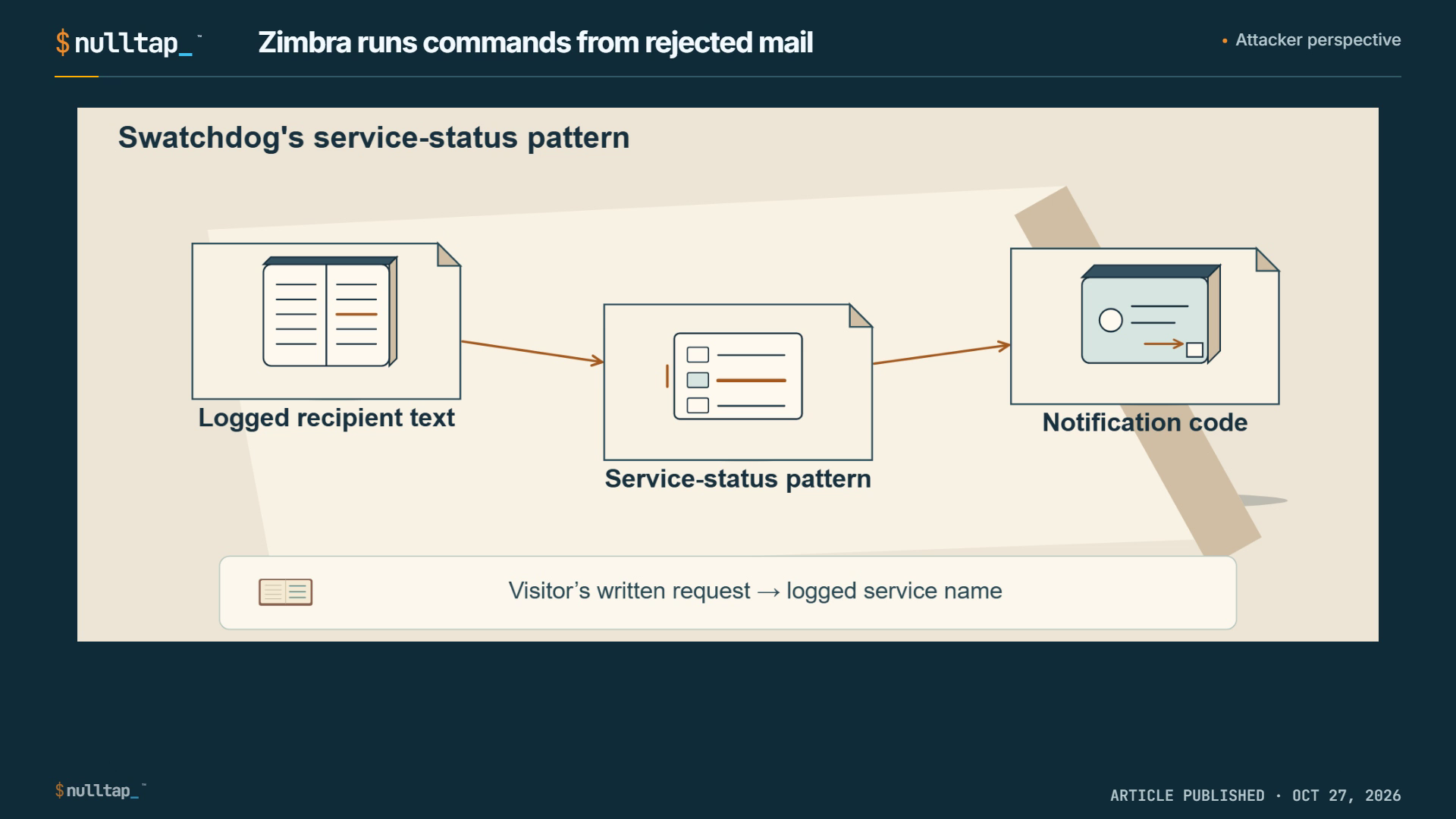 Watch Replay3:09
Follow a rejected email address through Zimbra's log and notification code, then check the server's version and settings.
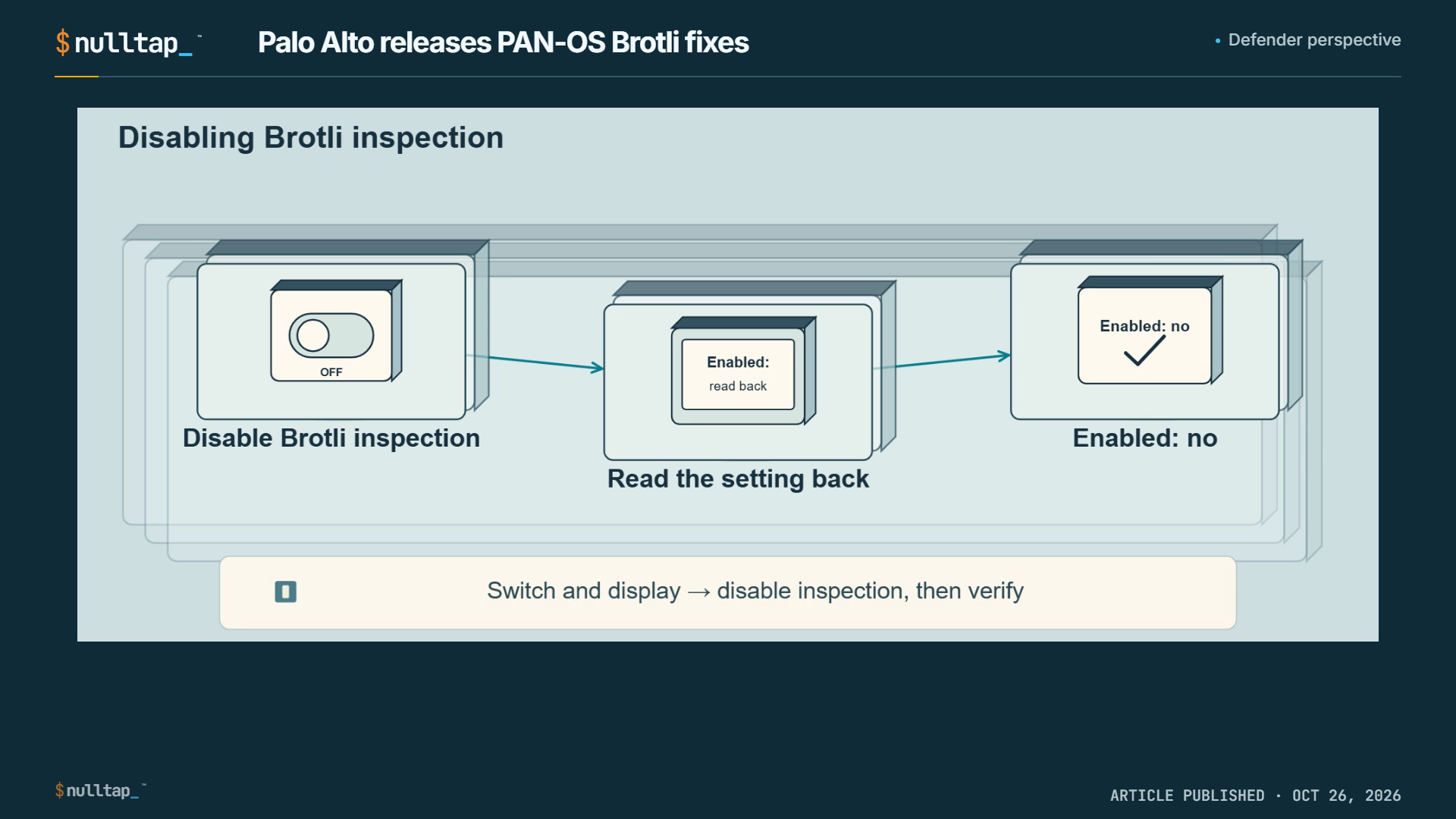 Watch Replay2:50
Check the PAN-OS build, traffic decryption and Brotli inspection settings, then verify a mitigation or installed fix.
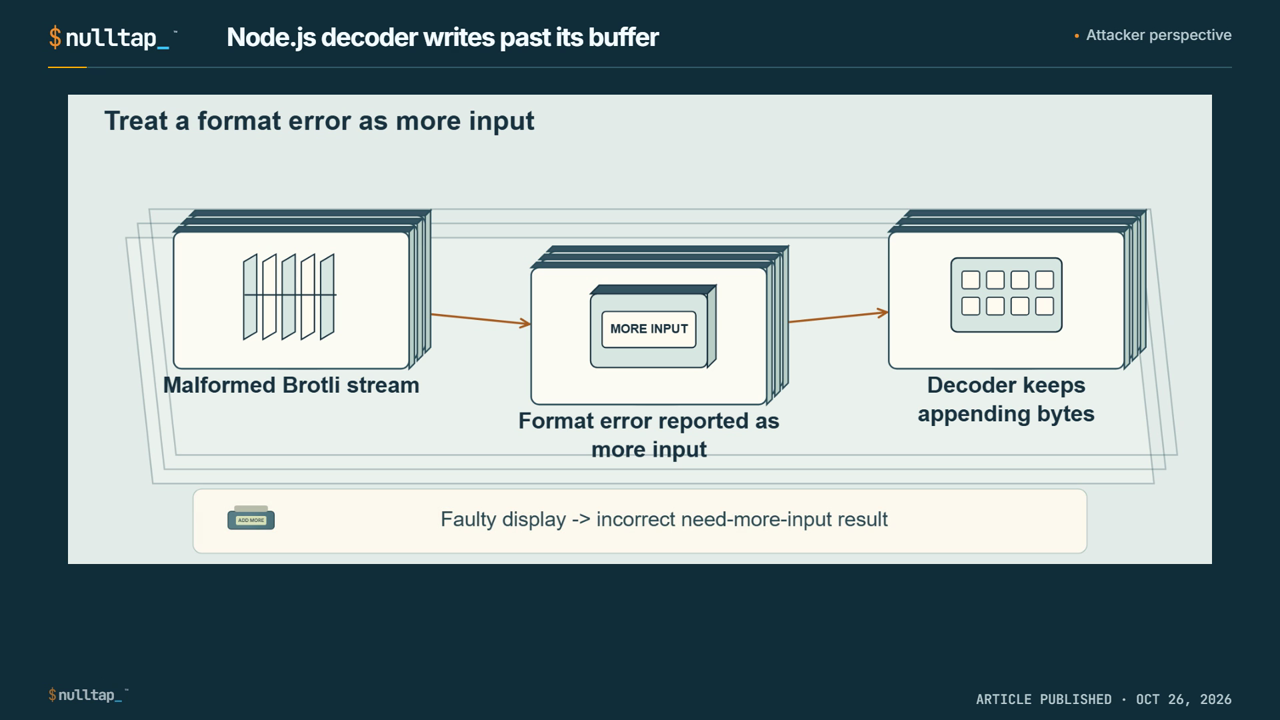 Watch Replay3:17
Malformed Brotli input makes a decoder keep writing past a small buffer. Trace untrusted decompression and verify that a fixed Node.js runtime is actually in service.
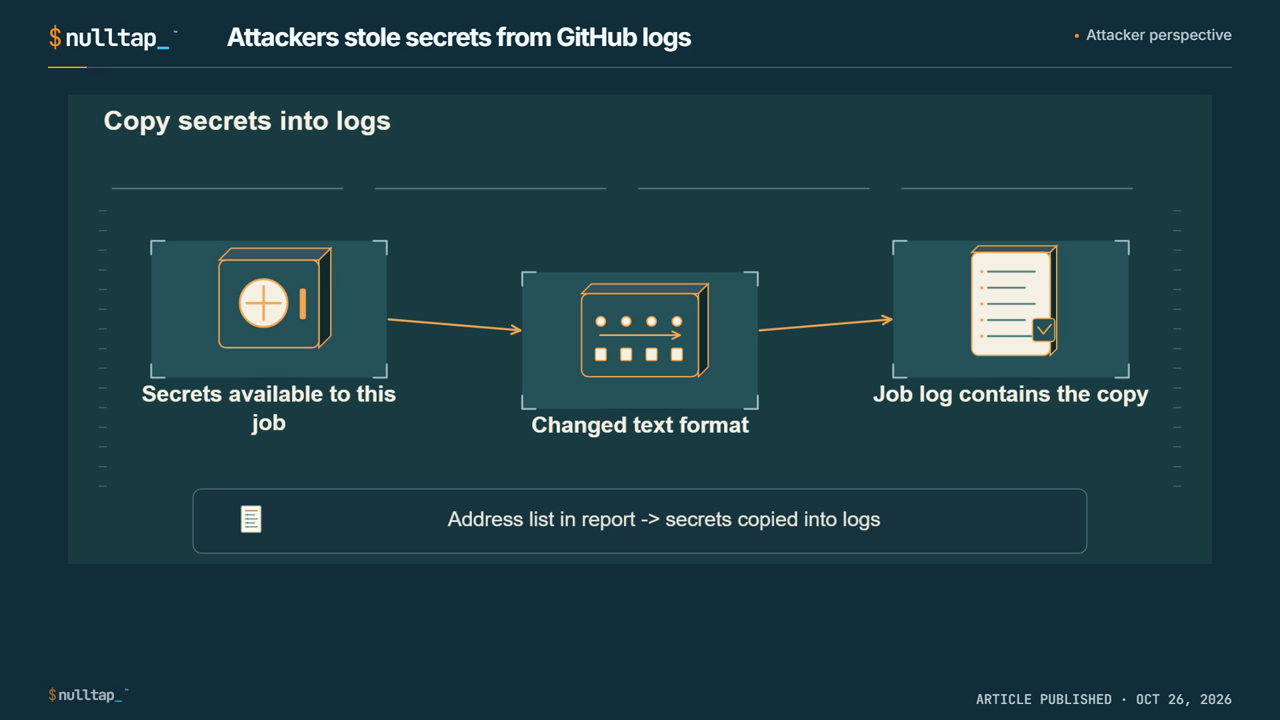 Watch Replay3:10
A stolen token plants a workflow that copies available secrets into its own logs. Check actual execution, preserve retained records and control access to secrets.
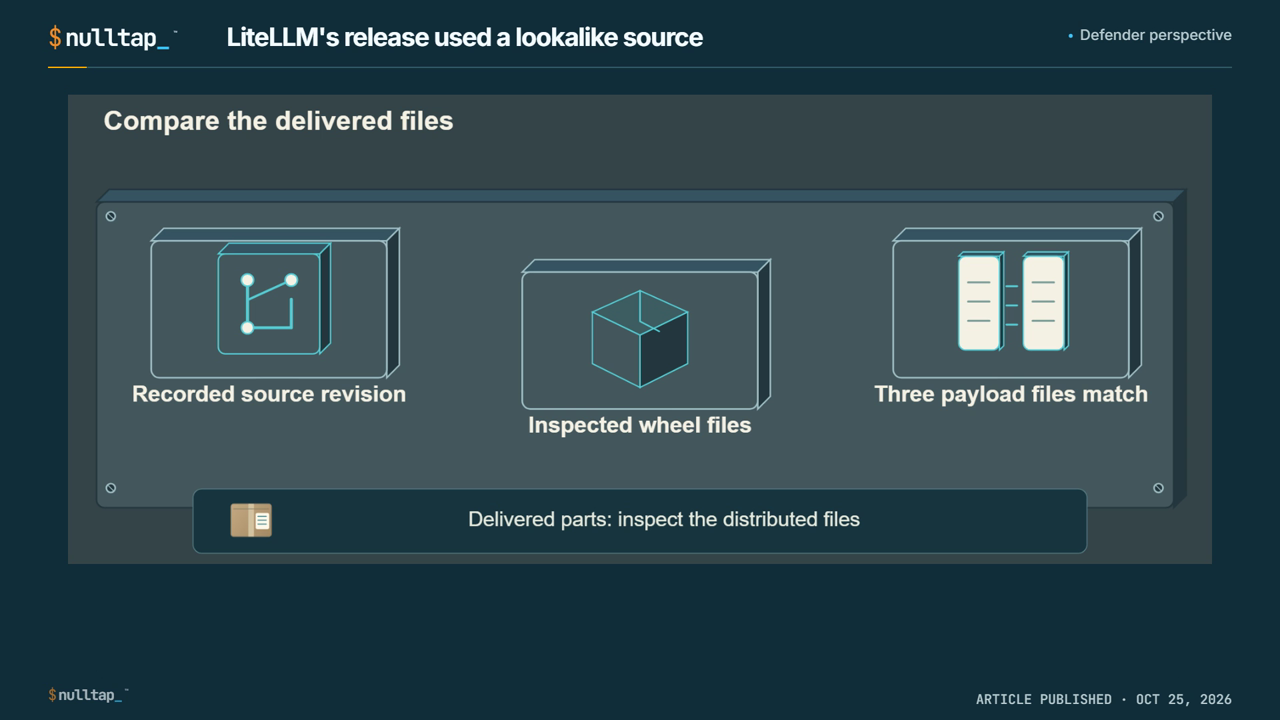 Watch Replay2:52
A release record can accurately name an unapproved source. Compare the repository identity with the approved input, then inspect the shipped files.
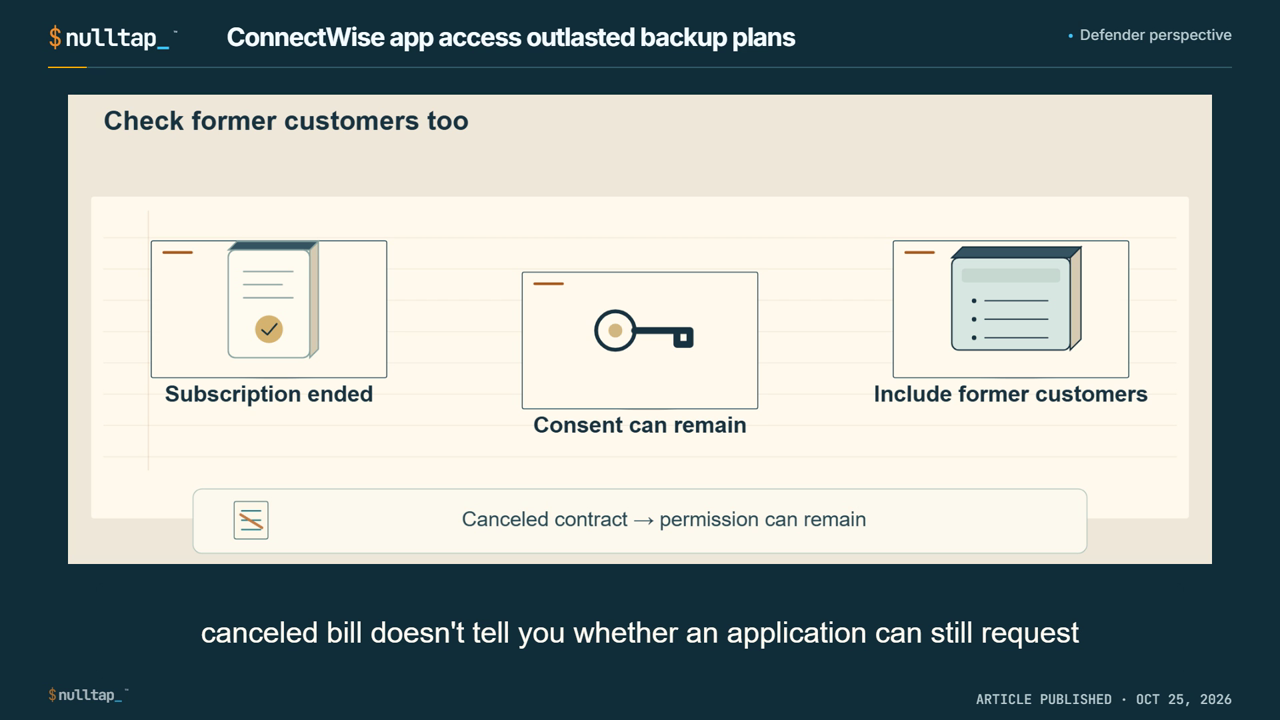 Watch Replay3:19
A former backup subscription can leave application permission behind. Check the grant and distinguish issued access from its use.
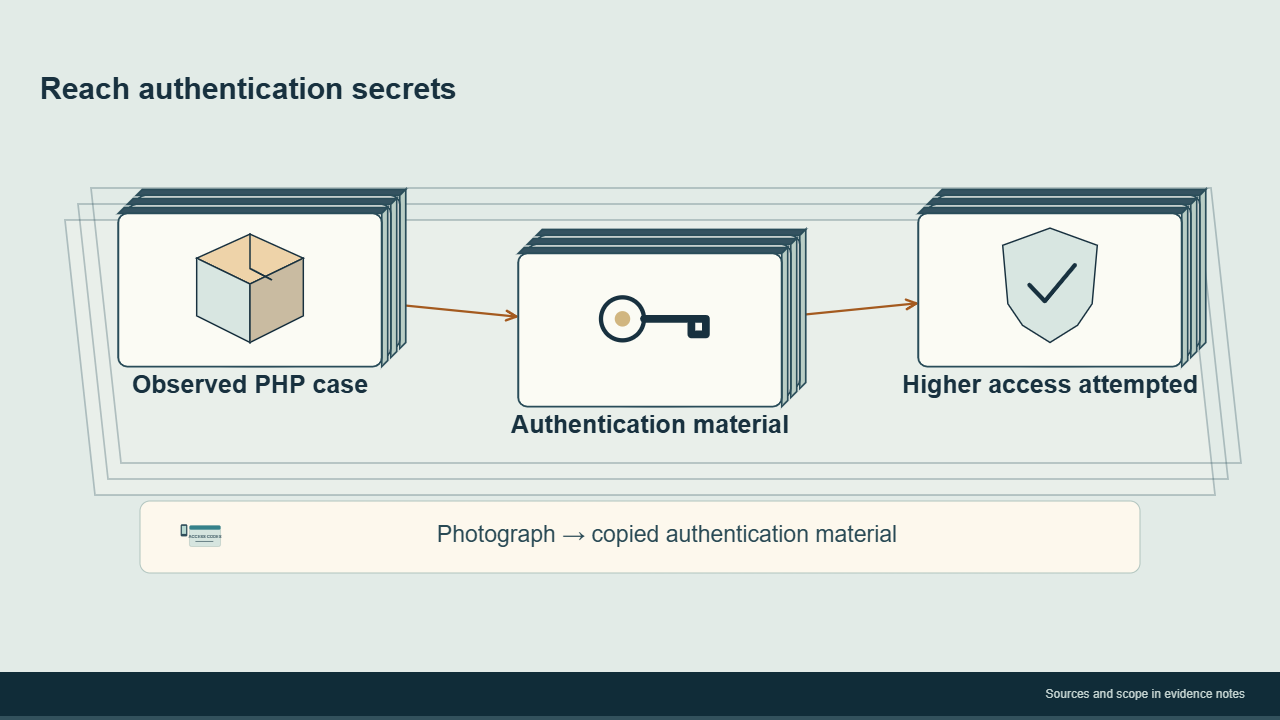 Watch Replay1:48
In the reported intrusion, PHP exploitation led to password hashes and MFA secrets. Patching and credential response address different risks.
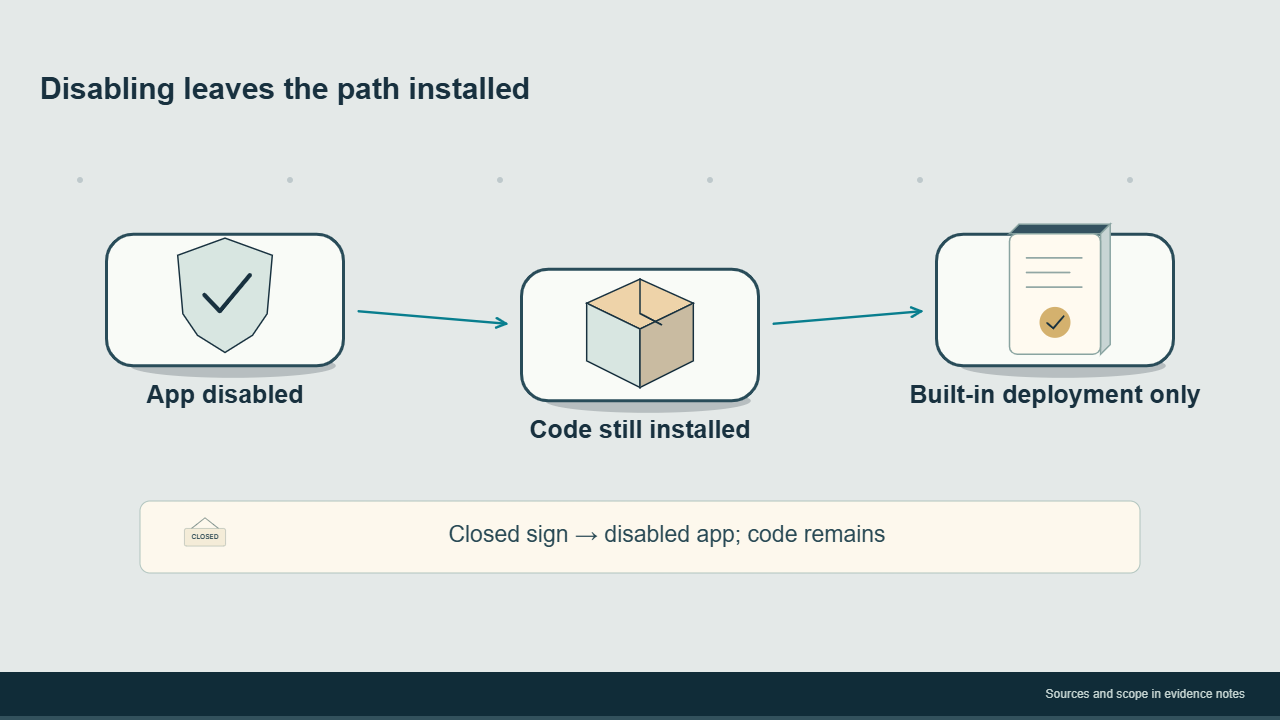 Watch Replay1:50
A stopped CODE server exposes a command-execution path. Disabling the app leaves the vulnerable code in place.
 Watch Replay1:54
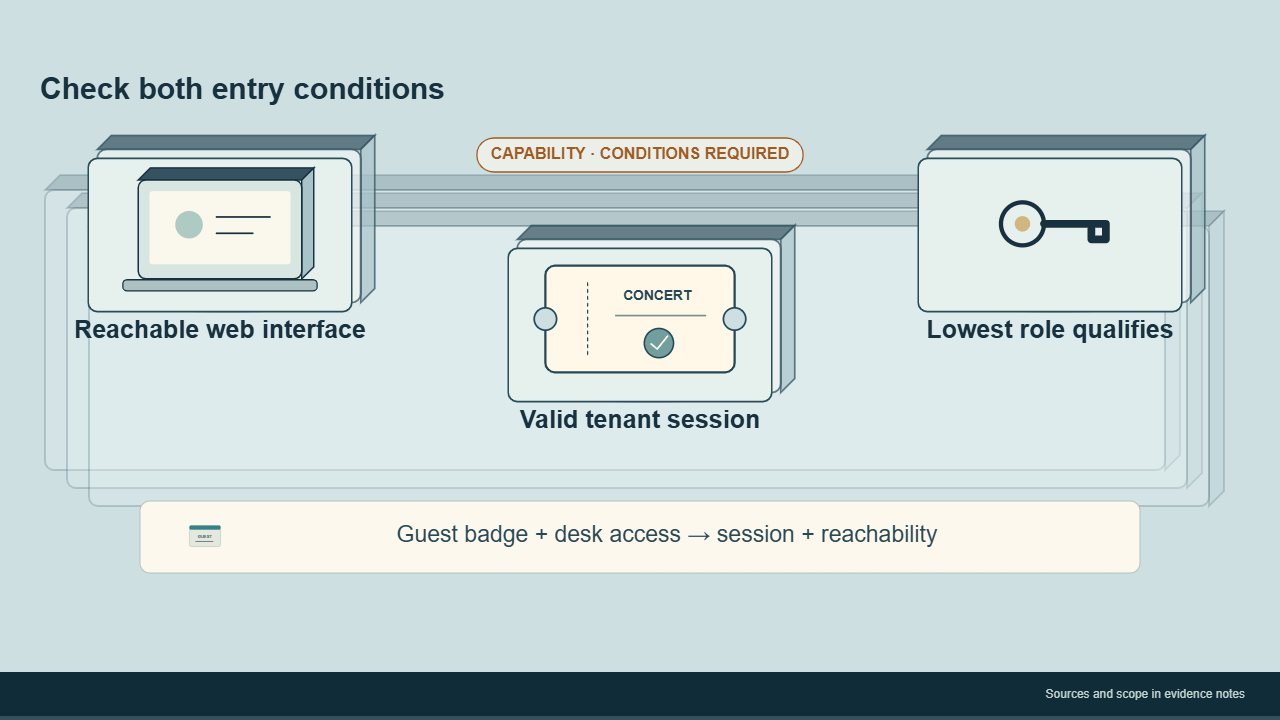
On an affected orchestrator, a read-only account with network access can reach operator privileges.
 Watch Replay1:57
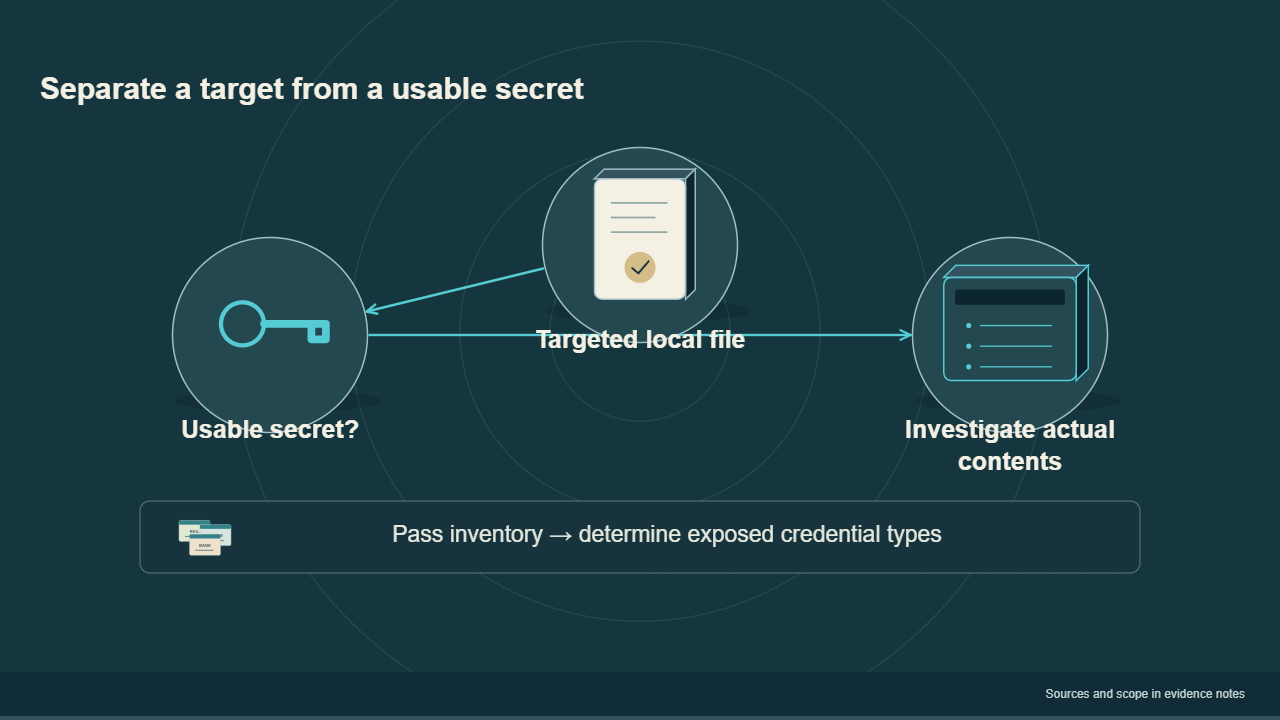
A Windows stealer can collect AI sessions and developer credentials. Each exposed account needs its own response.
 Watch Replay2:09
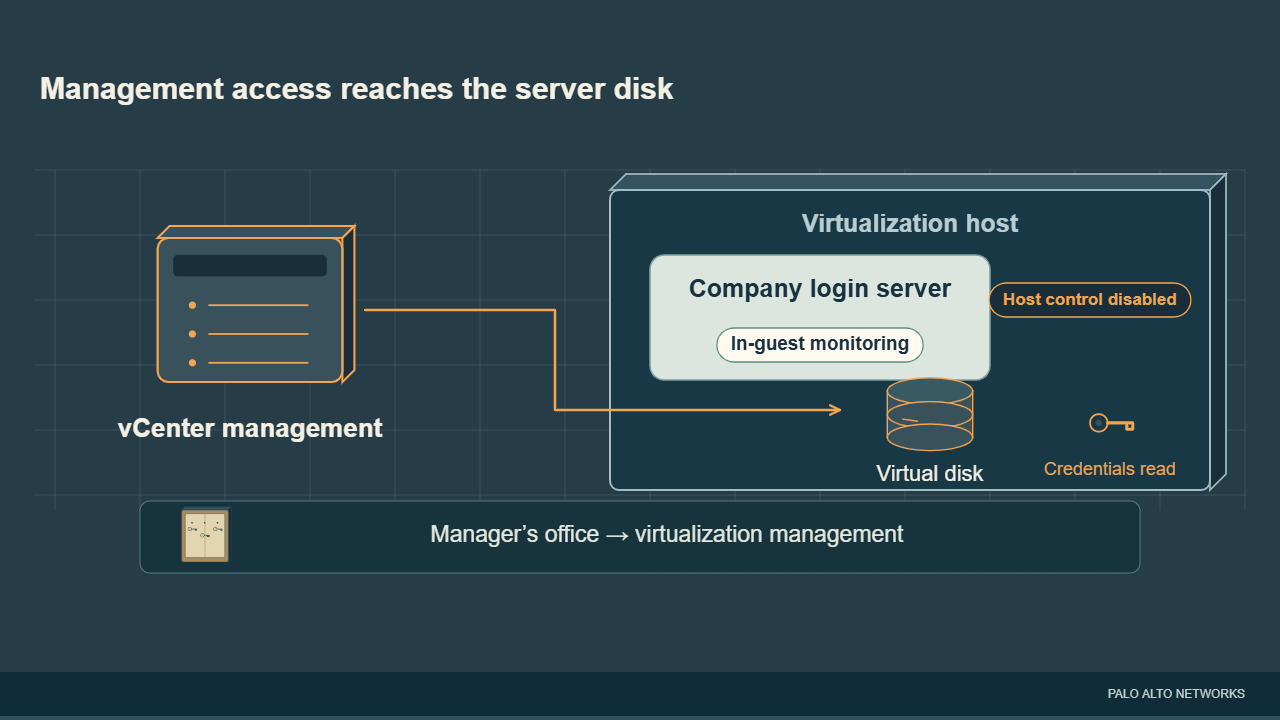
Remote access reaches the management layer, where a disk read can fall outside the running server’s view.
 Watch Replay2:10
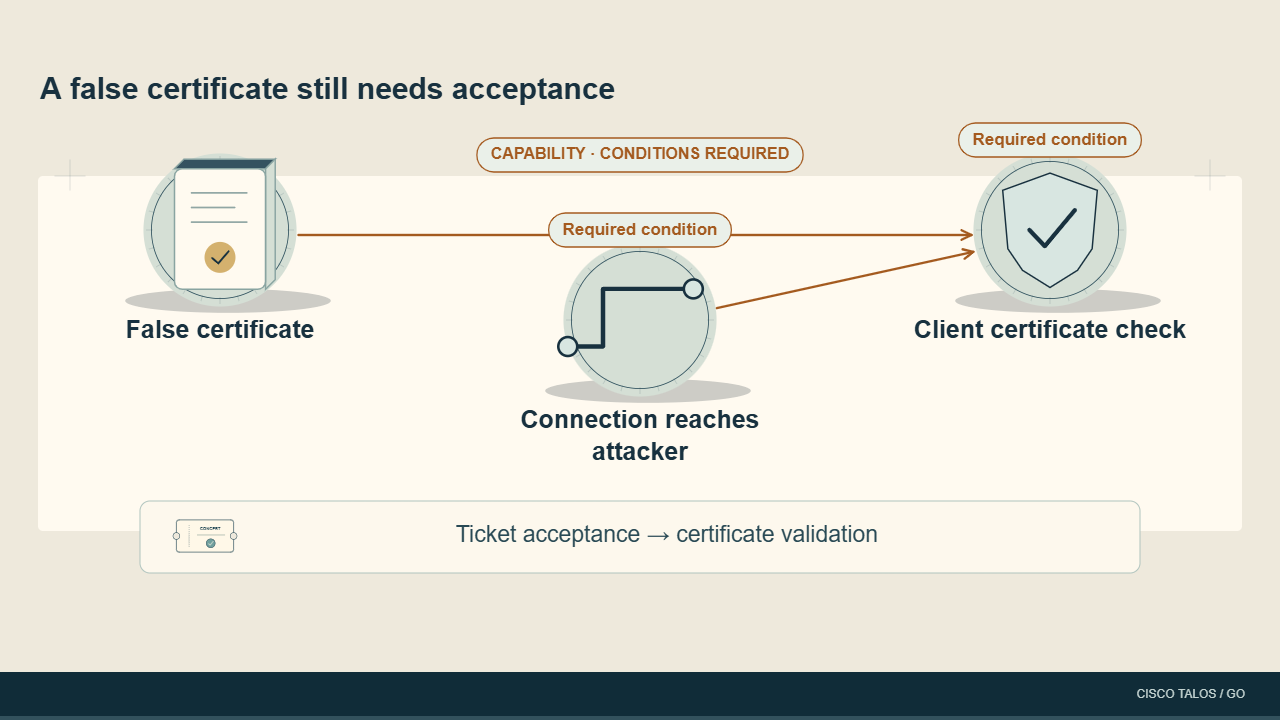
A weak signing authority creates an impersonation risk that different applications must address separately.
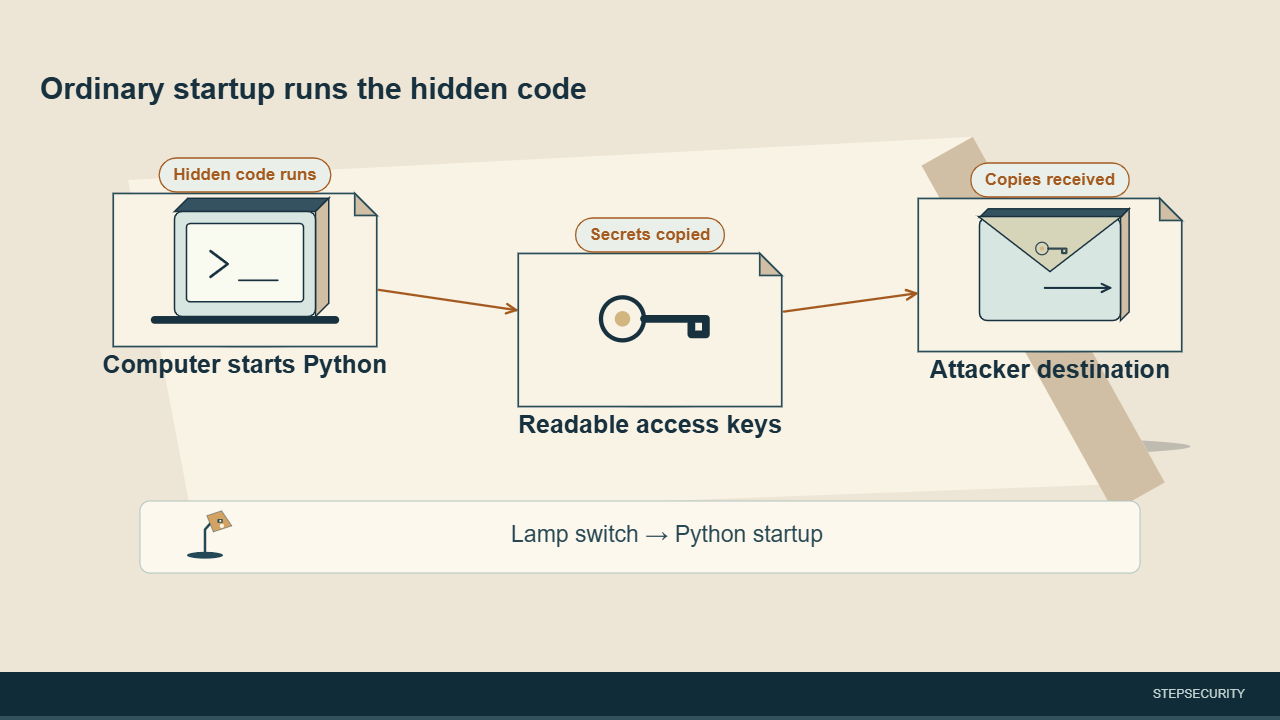 Watch Replay2:01
The files delivered to a computer contain hidden startup code, even though the source tag looks clean.
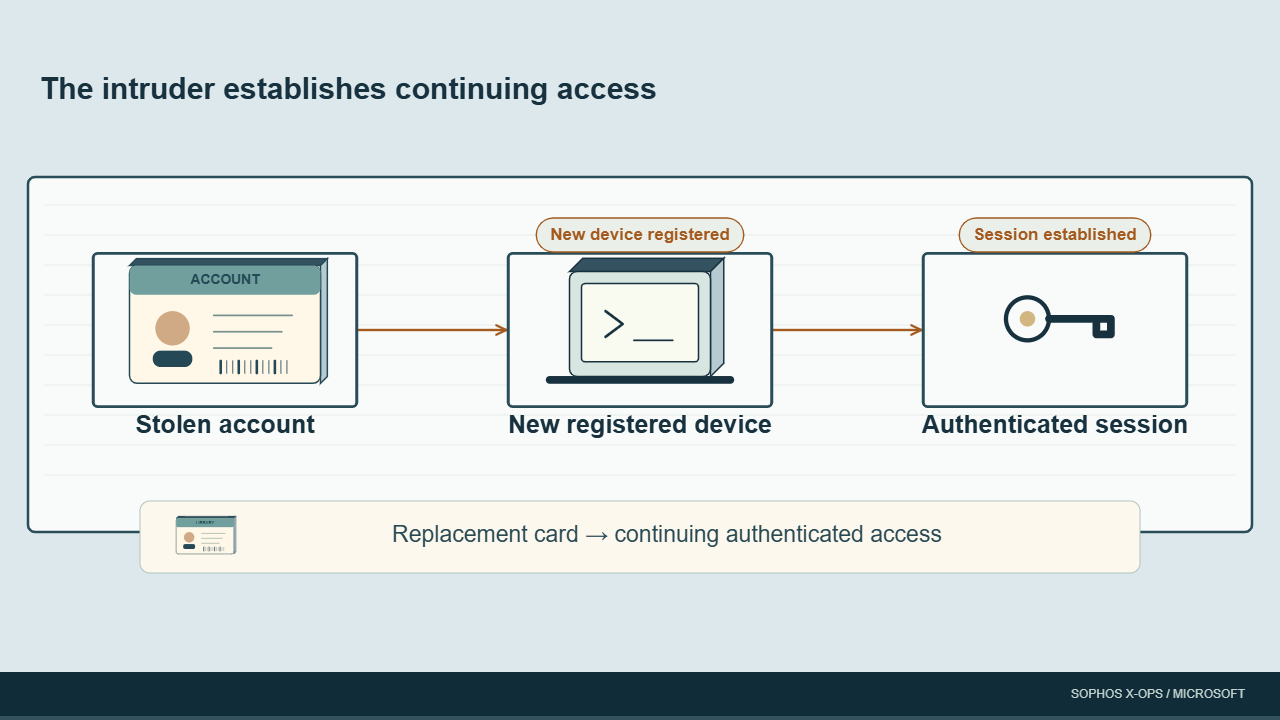 Watch Replay2:06
A shared recovery code lets an impostor claim an identity, reach connected applications and take data.